On the Hunt for Jesus 44: A Designer's Review
As a designer who has spent years navigating the intersection of digital art and physical stitching, I approach every new machine embroidery design with a critical eye. The gap between a pretty screen graphic and a durable, beautiful stitched product is often where projects succeed or fail. Today, I am evaluating On the Hunt for Jesus 44, a digital asset categorized under T-Shirt Designs and Graphics. Before you download this file for your next client order or Etsy listing, let's walk through how it actually performs in a real-world studio environment.
First Impressions: Mood and Visual Weight
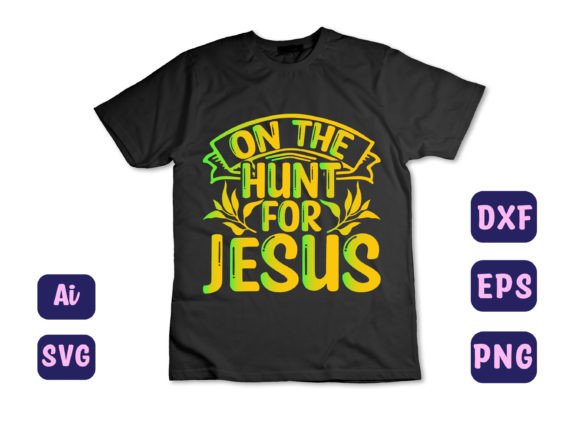
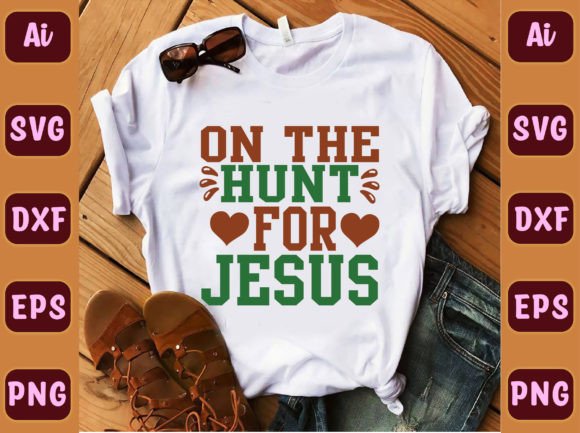
When I first pulled up the preview of On the Hunt for Jesus 44, the immediate takeaway was its bold, declarative nature. In the world of religious apparel, designs often lean toward subtle script or intricate iconography. This piece, however, feels more like a statement patch. The layout suggests a strong visual hierarchy that demands attention. For an Etsy seller or a boutique owner looking to create a standout handmade product, this kind of visual personality is crucial. It doesn't whisper; it speaks clearly.
The design assets provided include SVG and DXF files. While these are primarily vector formats used for cutting machines like Cricut Explore or Silhouette, they serve as excellent foundations for converting into embroidery-ready files. As a reviewer, I appreciate that the source files allow for scaling without losing resolution. However, remember that just because a file scales digitally doesn't mean it scales well on fabric. The sharpness of the lines in the digital preview needs to be translated carefully into satin stitch or fill stitch paths to avoid puckering or thread breakage during production.
Testing the Design: A Real-World Scenario
To truly understand the utility of On the Hunt for Jesus 44, I imagined a specific project: creating a limited run of heavyweight cotton tote bags for a local church youth group event. Tote bags are a staple for small shop products because they are practical, highly visible, and offer a large canvas for custom apparel graphics. In this scenario, the design would be placed centrally on the front panel.
Here is where the practical judgment comes in. If I were to embroider this directly onto a standard canvas tote, the texture of the fabric becomes a factor. Canvas has a weave that can sometimes cause running stitch details to get lost if the stitch density isn't high enough. With On the Hunt for Jesus 44, the bold shapes suggest it would handle a moderate density well, but I would strongly advise testing on scrap fabric first. Would the text remain legible after the bag is washed? Would the thread colors pop against the natural beige of the canvas, or would they need a backing layer?
Another potential use case is sweatshirt embroidery. Placing this design on the chest of a hoodie offers a different challenge. The stretch of the fleece requires a robust stabilizer to prevent the design from distorting when the garment moves. If the design includes fine details, the texture of the sweatshirt might make them appear muddy. In my experience, designs like this work best when simplified slightly for textured fabrics, ensuring the core message remains crisp.
Navigating Fabric and Hoop Constraints
One of the most common pitfalls for craft business owners is ignoring the relationship between the design size and the hoop size. On the Hunt for Jesus 44 appears to have a substantial footprint. If you attempt to force this into a small 4x4 inch hoop, you risk running out of space or having to stitch in sections, which can lead to registration issues—where the pieces don't line up perfectly.
I also want to highlight the importance of fabric choice. While this design fits the T-Shirt Designs category, not all t-shirts are created equal. Thin, stretchy jersey knit can be a nightmare for dense embroidery. The weight of the thread can pull the fabric, causing waves around the edges of the design. For this specific graphic, I would recommend using a stabilizer that matches the weight of the fabric, perhaps even a cutaway stabilizer for knits to ensure longevity. Conversely, on a structured item like an apron or a pillow cover, the design should sit beautifully, offering a professional finish that elevates the perceived value of the finished product.
Commercial Viability and Brand Consistency
For those selling digital embroidery files or finished goods, brand consistency is key. Does On the Hunt for Jesus 44 fit your aesthetic? If your shop specializes in delicate, floral baby embroidery, this bold, text-heavy design might clash with your existing catalog. However, if you focus on faith-based holiday gifts or statement wear for teens and young adults, it could be a perfect addition. The design's clarity makes it ideal for printable mockups as well, allowing you to showcase the concept to clients before committing to expensive thread and time.
Customer trust is built on quality. When a buyer receives a personalized gift with a design that looks messy or pulls at the seams, it reflects poorly on the maker. By taking the time to review the embroidery file structure, checking the stitch count (if available), and ensuring the design assets are optimized for your specific machine, you protect your reputation. Always confirm the licensing terms before selling items made with this design. Some commercial embroidery licenses restrict the number of items you can sell, so read the fine print to avoid legal headaches down the road.
Practical Designer Notes for Success
If you decide to move forward with On the Hunt for Jesus 44, here are my top recommendations for a flawless execution:
- Test on Scrap Fabric: Never skip this step. Stitch a sample on the exact material you plan to use to check tension and density.
- Check Thread Contrast: Ensure the chosen thread colors provide enough contrast against the background fabric for maximum readability.
- Verify Hoop Size: Measure the design dimensions against your machine's capabilities to avoid clipping or misalignment.
- Use Proper Stabilizer: Invest in a high-quality tear-away or cutaway stabilizer, especially for stretchy or textured materials.
- Inspect Small Details: Zoom in on the digital file to see if any tiny elements will disappear once stitched. Simplify if necessary.
- Review Licensing: Double-check the terms for commercial embroidery use to ensure you are compliant when selling finished goods.
In conclusion, On the Hunt for Jesus 44 presents a strong opportunity for designers looking to add impactful, faith-based graphics to their portfolio. Its versatility allows it to transition from a simple tote bag design to a sophisticated embroidered patch or a centerpiece on a custom sweatshirt. However, like any digital asset, its success depends entirely on your preparation. By respecting the limitations of your materials and machines, and by testing thoroughly, you can transform this digital graphic into a tangible, high-quality product that your customers will love.